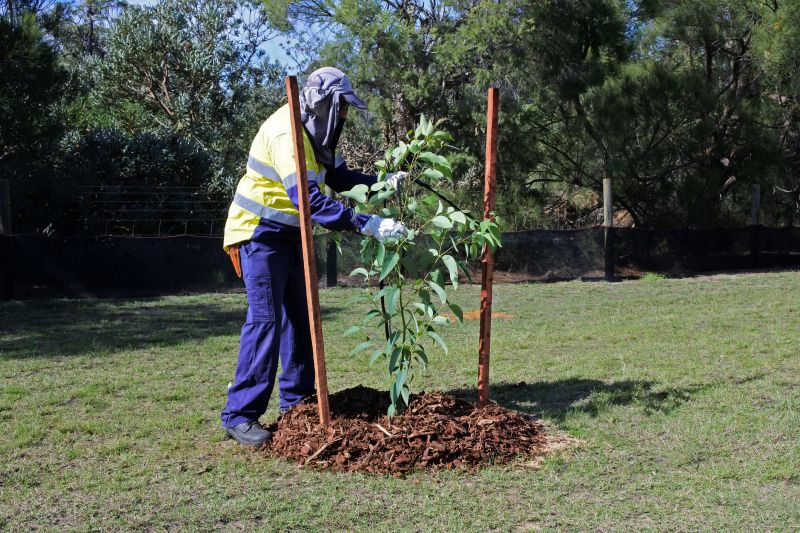
Privacy Trees Planting in Honolulu, HI
Privacy Trees Planting services focus on selecting and planting trees that enhance privacy and create natural barriers on residential properties. These projects typically involve choosing suitable tree species, preparing the planting site, and ensuring proper placement to maximize screening while maintaining healthy growth. Homeowners often request this service to establish visual separation from neighbors, block unwanted views, or add a sense of seclusion to outdoor living spaces, gardens, or yards.
Before requesting privacy tree planting, property owners usually want to understand the best types of trees for their specific location, soil conditions, and climate. They may also seek guidance on the mature size of the trees, maintenance needs, and how the planting will impact existing landscaping. Clear information about the desired level of privacy, available space, and any local regulations can help ensure the project aligns with expectations and creates a natural, attractive barrier.
Many property owners in Honolulu, HI look into Privacy Trees Planting for repairs, replacements, upgrades, and appearance-related improvements.
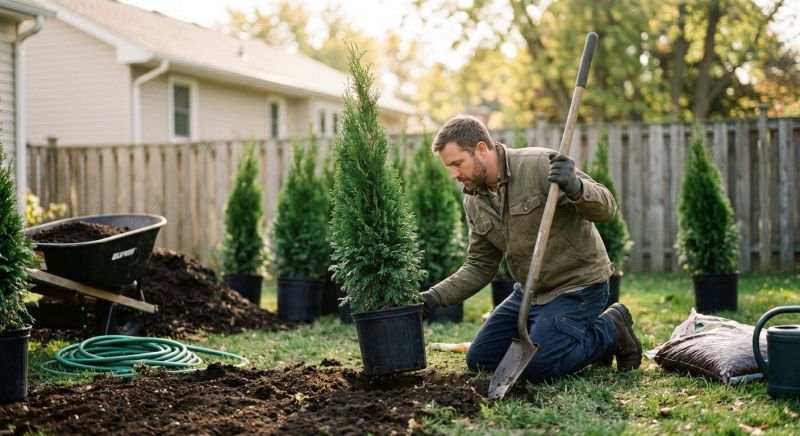
Privacy Tree Selection
Choosing the right trees can enhance privacy while complementing your landscape.
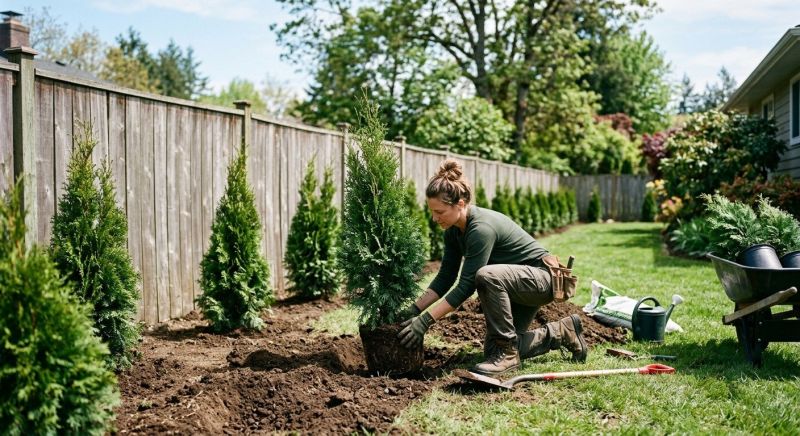
Planting And Maintenance
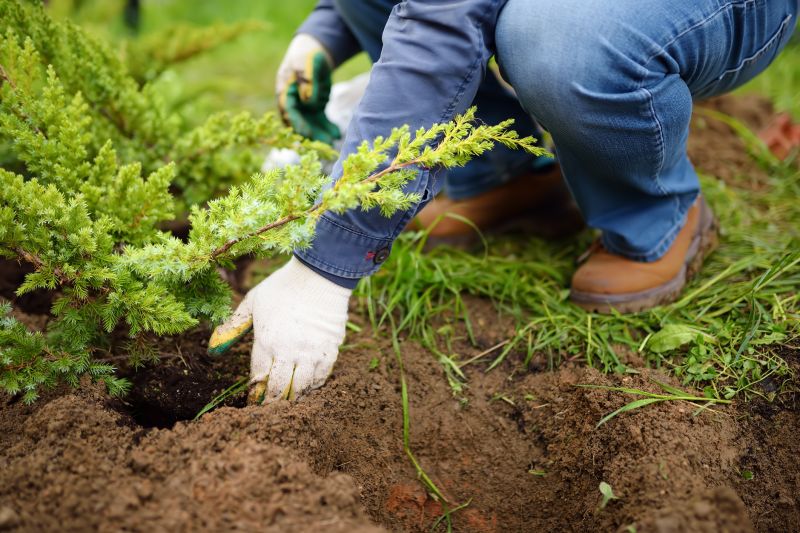
Proper planting ensures healthy growth and long-lasting privacy for your property.
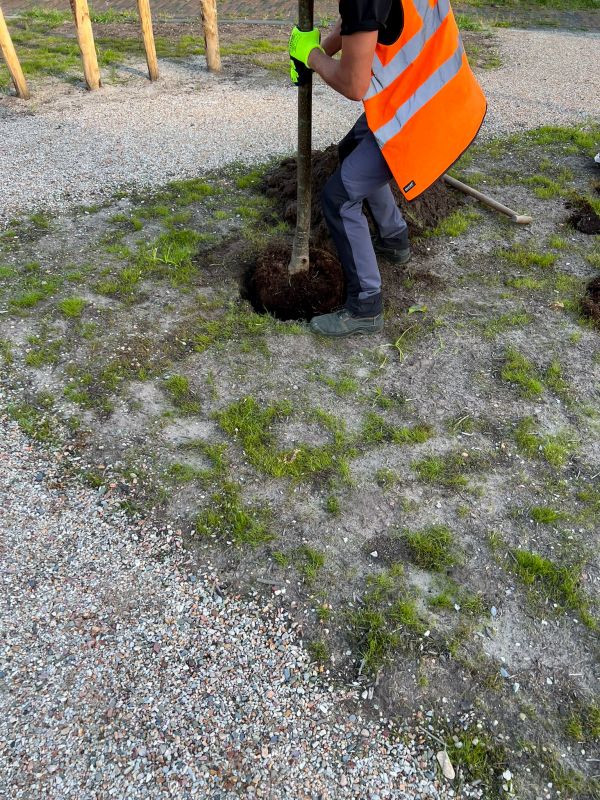
Design And Layout
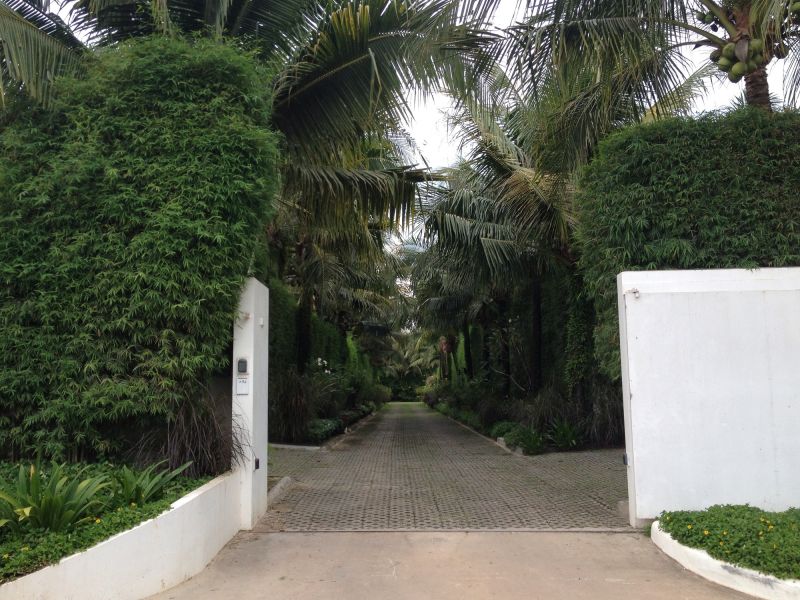
Strategic placement of privacy trees creates natural barriers and improves outdoor living spaces in honolulu.
Privacy Trees Planting in Honolulu, HI

Privacy Trees Planting services focus on selecting and planting trees that enhance privacy and create natural barriers on residential properties. These projects typically involve choosing suitable tree species, preparing the planting site, and ensuring proper placement to maximize screening while maintaining healthy growth. Homeowners often request this service to establish visual separation from neighbors, block unwanted views, or add a sense of seclusion to outdoor living spaces, gardens, or yards.
Before requesting privacy tree planting, property owners usually want to understand the best types of trees for their specific location, soil conditions, and climate. They may also seek guidance on the mature size of the trees, maintenance needs, and how the planting will impact existing landscaping. Clear information about the desired level of privacy, available space, and any local regulations can help ensure the project aligns with expectations and creates a natural, attractive barrier.
Many property owners in Honolulu, HI look into Privacy Trees Planting for repairs, replacements, upgrades, and appearance-related improvements.
Common Privacy Trees Planting Jobs
Tree planting projects involve adding new trees to enhance property landscapes and provide shade.
Native tree planting focuses on selecting species that thrive naturally in the local environment.
Ornamental tree installation includes planting decorative trees to improve curb appeal.
Tree replacement services involve removing old or damaged trees and replacing them with healthier options.
Urban forestry planting supports community efforts to increase green spaces within neighborhoods.
Tree preservation planting aims to protect existing mature trees while adding new ones to the landscape.
Privacy Trees Planting Questions
What are privacy trees? Privacy trees are tall, dense trees planted to create a natural screen that blocks views and provides seclusion on a property.
Which types of trees are suitable for privacy purposes? Fast-growing, evergreen trees like arborvitae, cypress, and certain palms are commonly used for privacy screens.
How should privacy trees be positioned for the best effect? They are typically planted in rows along property lines or areas needing visual separation to maximize coverage.
Are privacy trees suitable for small yards? Yes, there are varieties that grow vertically or stay compact, making them adaptable to various yard sizes.
Request Privacy Trees Planting in Honolulu, HI
Use the quote form on this page to share the basics of your project and request more information for the type of work you need.